

The 2026 FIFA World Cup runs from 11 June to 19 July, spanning 104 matches across 16 cities in the United States, Canada, and Mexico. For a football fan, it is the most ambitious tournament ever staged and also one of the greatest travel opportunities of a generation.
With so many cities to choose from, the question is not whether to go but where. Here is our curated pick of the best host cities for football fans, covering the football on offer, what each city has to give beyond the stadium, and how to make the most of the experience.
New York / New Jersey: the city that hosts the final
There is no shortage of great reasons to visit New York City, whether it’s the shows and the nightlife or the diverse array of museums and restaurants, not to mention the 24/7 energy. But here’s is one more: the MetLife Stadium. Located across the river from Manhattan, it will host the 2026 World Cup final on 19th July. Coldplay will be involved in putting together the half-time show, in a move inspired by the NFL’s Super Bowl.
Match dates at MetLife Stadium run from June 13 through to the final on July 19th meaning New York is hosting games across the full span of the tournament, giving fans maximum flexibility on when to visit.
Beyond the football, New York needs little introduction. Broadway, Central Park, the best food scene in North America, and the kind of round-the-clock energy that makes even a day between matches feel full. For UK fans in particular, the city’s scale and familiarity make it a natural anchor for a World Cup trip.
Fan experience: New York and Philadelphia are planning major Fan Festivals of their own. What’s more, the concentration of football fans from around the world descending on Manhattan’s bars and neighbourhoods will create an atmosphere unlike anything the city has seen outside of a Super Bowl.
Hospitality tip: As the final host city, New York will have the broadest range of premium hospitality options of any venue (and the highest prices to match). Book early and compare providers carefully.

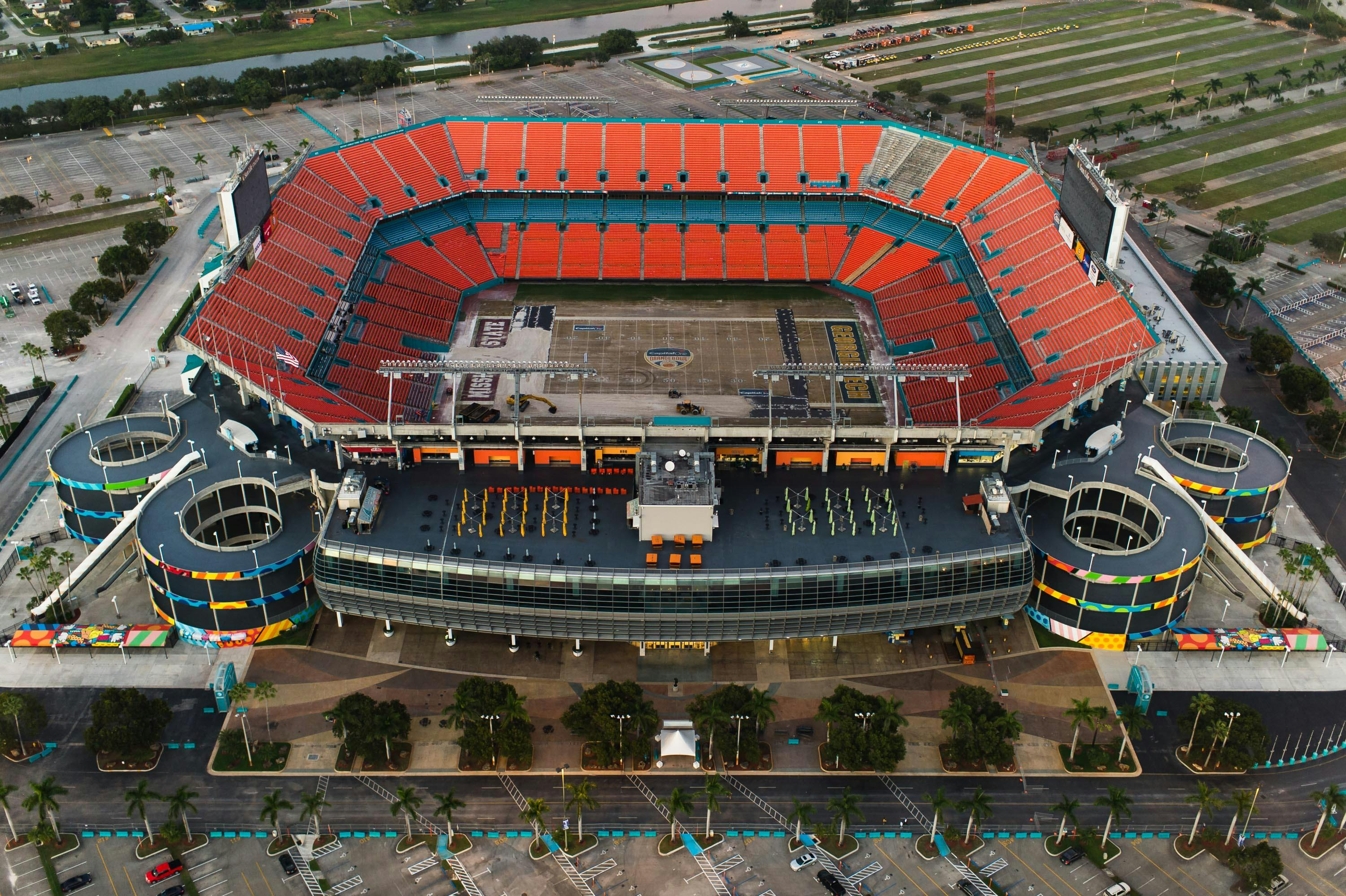
Miami: sunshine, beaches, and a quarter-final
Miami has it all: gorgeous beaches, lush gardens, nonstop nightlife, art deco architecture, and a rich blend of Latin American culture. It is also arguably the most atmospheric city in North America for a football tournament, given its passionate Latin football culture and the electric energy it brings to any major event.
The city’s Hard Rock Stadium will host seven matches including a quarter-final and the third-place playoff, meaning Miami features in the business end of the tournament. The stadium underwent an extensive $350-million renovation that included party terraces, all new seats, a new roof, and giant video boards, making it one of the most fan-friendly venues in the tournament.
The official FIFA Fan Festival in Miami will be held at Bayfront Park — 32 waterfront acres of giant LED screens, food vendors, DJs, and free match-day programming from June 13th to July 5th.
June and July in Miami will see temperatures of 32–38°C so be sure to pack accordingly and factor that into your plans for getting to and from the stadium. The Brightline train connects Miami with Orlando and includes a stop near Hard Rock Stadium, making it the most straightforward transport option on match days.
Who it suits: Miami is the pick for fans who want World Cup football wrapped in a full holiday experience : beach days, rooftop bars, Latin cuisine, and a city that knows how to throw a party.
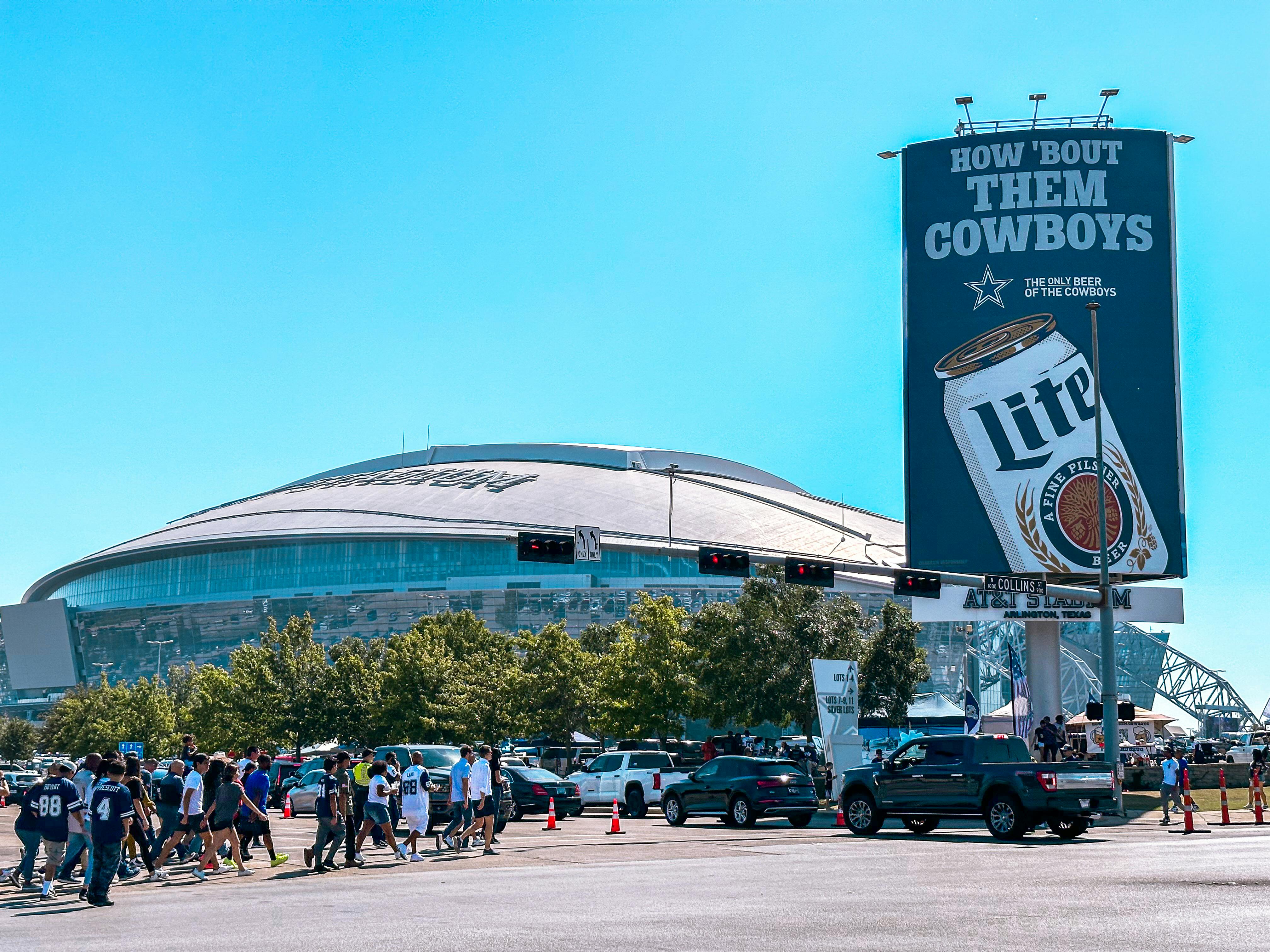
Dallas: the biggest stadium, the most games
If your priority is seeing as much football as possible in one place, Dallas is the answer. The AT&T Stadium (home of the Dallas Cowboys) will host nine matches, more than any other host city, including a semi-final. With a capacity of 94,000 and an ultra-modern design incorporating a retractable roof, it is the largest and most spectacular venue in the tournament.
The Dallas FIFA Fan Festival will take place at Fair Park (home of the iconic State Fair of Texas) running for 34 days throughout the tournament from June 11 to July 19. Dallas is roughly equal distances from each coast and close to Mexico, making it a strong logistical base for fans planning to attend multiple games across different cities. A car rental gives you access to Houston, which is a four-hour drive and Kansas City is a short flight away, meaning you can build a substantial multi-match itinerary from a Dallas base.
One practical note: AT&T Stadium has zero direct public transit, meaning driving or rideshare is your only option. With surge pricing and parking chaos on match days being a real consideration. Plan your transport well in advance.
Fan experience: Dallas offers brilliant Tex-Mex food, a thriving arts district, and the outsized, everything-is-bigger-in-Texas energy that makes it a memorable destination in its own right. The semi-final alone makes it worth the trip.
Atlanta: a semi-final and a fan’s paradise
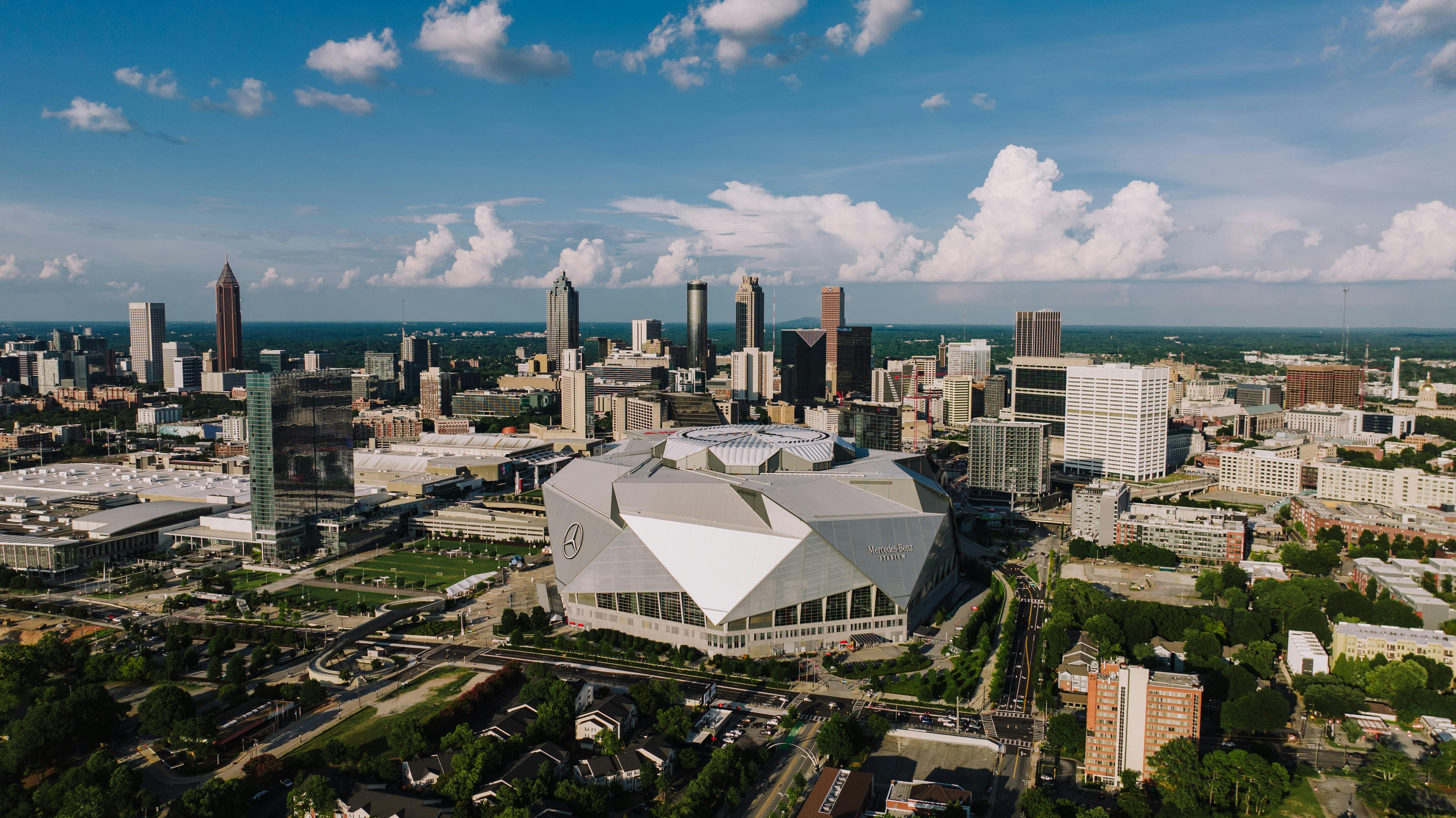
Atlanta is one of the best and biggest sports cities in the United States and will host eight matches for the 2026 World Cup, including a semi-final. Mercedes-Benz Stadium features a pinwheel-style eight-panel retractable roof, a glass wall that opens for fresh air, and a circular 58-foot by 1,100-foot LED scoreboard. It is genuinely one of the most extraordinary sporting venues in the world and the semi-final alone makes Atlanta a destination worth consideration.
Atlanta’s FIFA Fan Festival will be held at Centennial Olympic Park, thirty years after the iconic 1996 Olympics. The park will once again serve as a global gathering place in the heart of downtown Atlanta, featuring live match screenings, cultural performances, and interactive experiences.
Atlanta is a superb staging point for international travellers. Not only is it home to one of the world’s busiest airports, but it also offers road trip potential in every direction, including an 11-hour drive to Dallas via Memphis or a similar distance to Houston via New Orleans.
Who it suits: Atlanta is the pick for fans who want knockout stage football in a world-class stadium, combined with Southern hospitality, outstanding food, and easy onward connections across the eastern half of the tournament.
Los Angeles: Hollywood glamour meets World Cup football
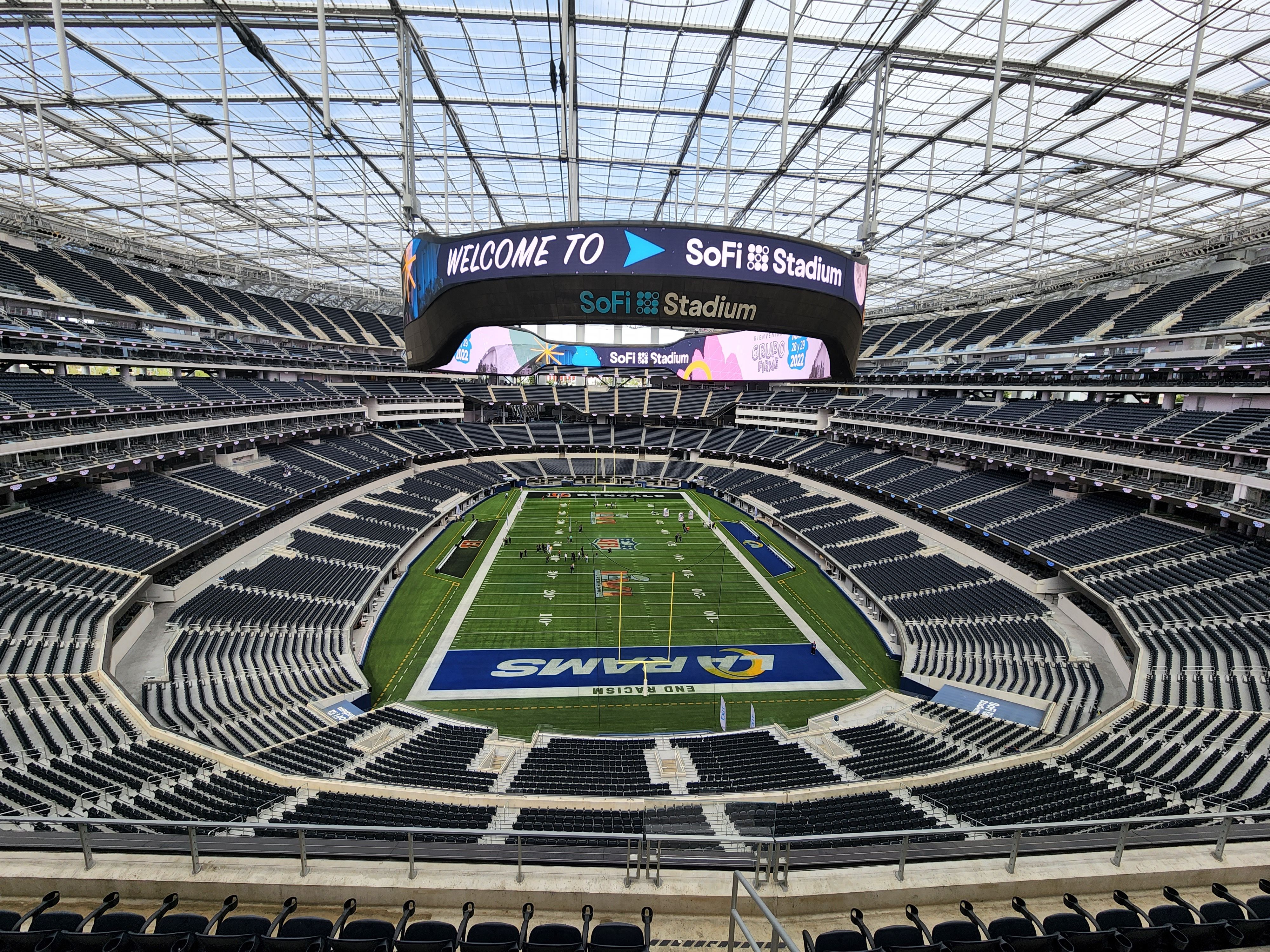
Los Angeles makes for the most logical West Coast base, hosting the opening match of the US Men’s National Team on June 12th. The SoFi Stadium is the newest of all the host venues. It opened in 2020 and is one of the top stadiums in North America. What’s more, the LA FIFA Fan Festival promises to be one of the tournament’s most spectacular, with giant screens, concerts, food vendors, and cultural programming at the Los Angeles Memorial Coliseum from 11th–15th June, with fan zones spreading across the region including Venice Beach and the Santa Monica Pier.
Beyond the football, Los Angeles offers everything from Universal Studios and the Hollywood Sign to world-class dining and the best weather of any host city on the West Coast.
Fan experience: LA’s football culture has exploded since the arrival of major MLS clubs and the wider growth of the sport on the West Coast. There is hope that the city will embrace the World Cup wholeheartedly and do so with the only backdrop in sport that almost competes with the football itself.
Mexico City: where the tournament begins
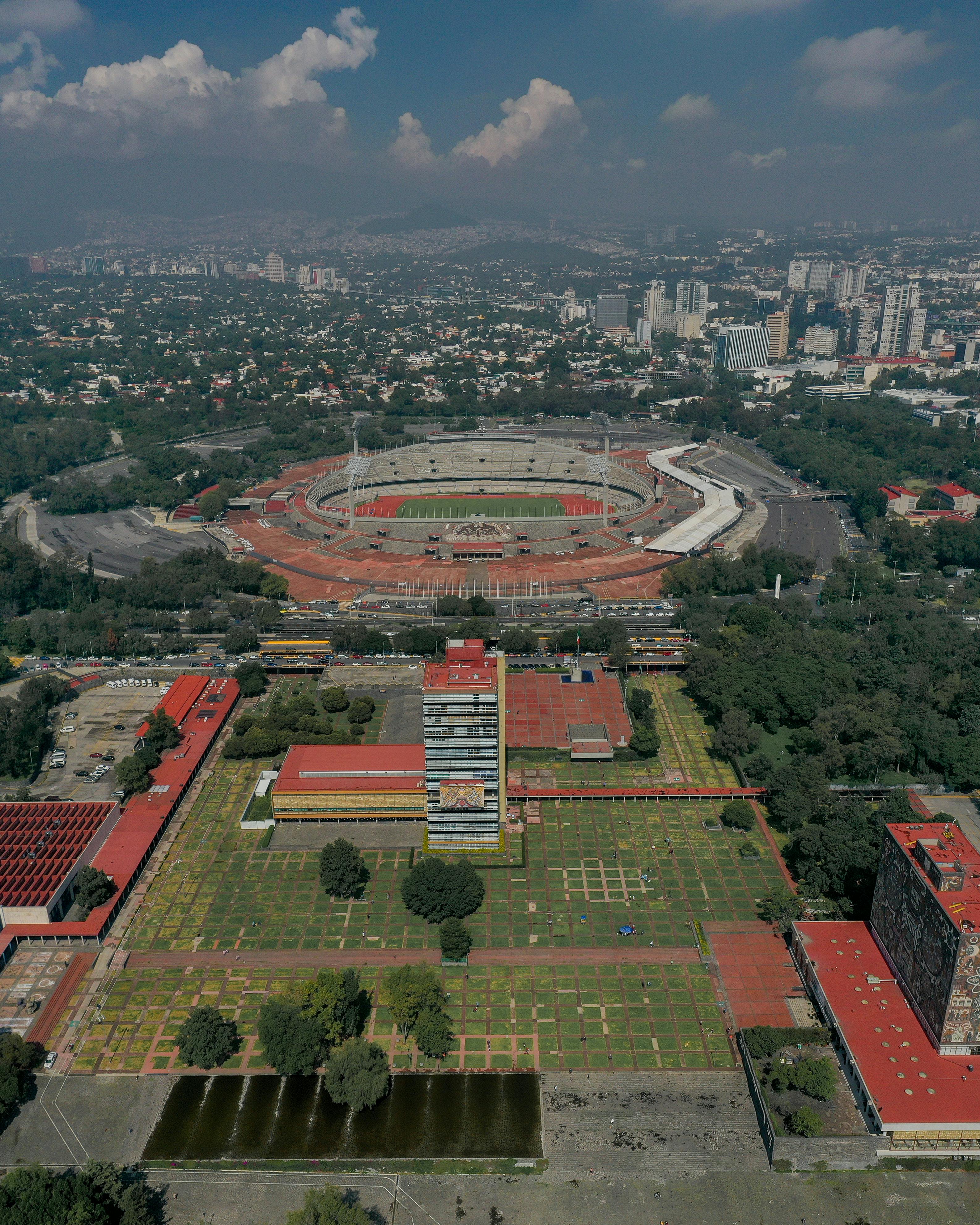
The opening match of the 2026 World Cup will be held in Mexico City, making it the place where the entire tournament ignites. Estadio Azteca is the only venue in the 2026 World Cup to have previously hosted World Cup matches, having done so in both 1970 and 1986. It carries a weight of football history that no other stadium in North America can match.
Mexico is in Group A alongside South Africa, Korea Republic, and Czechia. As a host nation, Mexico opens the tournament in Mexico City before playing group-stage matches in Guadalajara and Monterrey, meaning the Mexican capital will be at the epicentre of the tournament’s opening drama.
The city itself is one of the great travel destinations in the world. Expect extraordinary food, world-class museums, vibrant neighbourhoods, and a football culture so deep it is practically part of the geography. Mexico City sits at 2,240 metres altitude, so some visitors experience altitude sickness, so be sure to ascend slowly and drink extra water in the first day or two.
Who it suits: For fans who want to experience the tournament at its most atmospheric and culturally rich, and who want to be present for the moment the whole thing begins, Mexico City is unmissable.
Practical advice for planning your trip
Rather than flying between all 16 cities, a cluster strategy is the smartest approach. This involves staying in one region, attending multiple matches, and minimising flights. The eastern seaboard cluster of New York, Philadelphia, and Boston is connected by Amtrak with no flights required. The central cluster of Dallas and Houston is a four-hour drive. The West Coast cluster of Los Angeles and San Francisco is a short flight or a scenic drive up the Pacific Coast Highway.
Hotel prices jump significantly on match days, so it’s wise to book accommodation now rather than closer to the tournament. It’s also worth factoring in that Uber and Lyft surge to $80–150 within thirty minutes of matches ending. The earlier you plan, the better value you will find across flights, hotels, and hospitality packages. However, if you do end up leaving it late, you may be lucky enough to score some last minute deals on unsold tickets and hotel rooms.
The 2026 World Cup is a once-in-a-generation event on home soil for North America. Whichever city you choose, you will be part of this summer’s biggest event.
Leave a Reply