
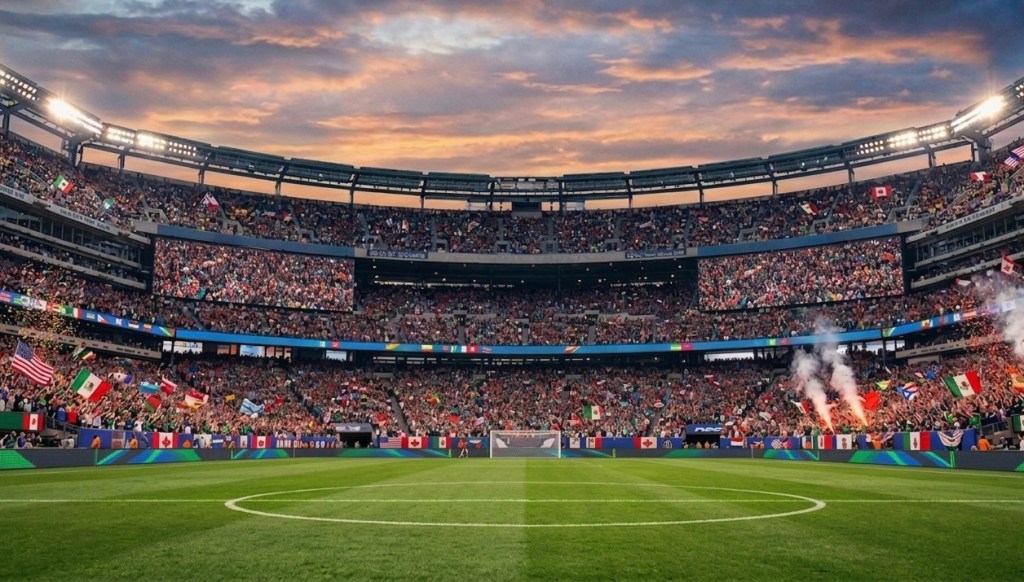
The 2026 FIFA World Cup kicks off on 11th June across the United States, Canada, and Mexico and it is already making headlines, not necessarily for the right reasons.
Ticket prices have reached levels never seen before in the tournament’s history, sparking global backlash from fans, politicians, and consumer rights groups. Here is everything you need to know about what tickets cost, why they are so expensive, and what your options are.
How much do World Cup 2026 tickets actually cost?
The short answer: a lot more than any previous World Cup. Ticket prices start at $120 for a standard group-stage match in lower-demand cities and rise to $7,875 for a Category 1 seat at the final (and that’s without the 15% FIFA service fee added on top).
The highest-priced general admission seat for the final can reach up to $10,990, making it potentially the most expensive ever for a football match when considering official box office pricing rather than resale markets. For context, the top ticket at the 2022 World Cup final in Qatar was $1,600. That is a near sevenfold increase in four years.
Semi-finals are exceeding $3,000, and prices have risen across multiple knockout fixtures compared to earlier sales phases. What if you want to follow the Three Lions all the way? The English Football Association shared pricing information with the England Supporters Travel Club showing that if a fan bought a ticket for every game through to the final, it would cost just over $7,000 (and that’s before you factor in hotels, flights, food and everything in-between.
What is dynamic pricing and why does it matter?
Much of the anger directed at FIFA centres on its decision to introduce dynamic pricing for the first time at a World Cup. Dynamic pricing means ticket costs are adjusted based on demand, teams, city, and sales phase. This is the same model commonly used by airlines and concert promoters, but one that football fans around the world are largely unaccustomed to- until now.
Prices were introduced without advance notice of which matches would be available or at what cost, leaving supporters uncertain about availability and affordability as they entered the system.
The result has been a pattern of escalating prices with each new sales phase. The original projections when the US, Canada and Mexico won the hosting rights estimated a maximum price of just $1,550 for the final. The actual price is now more than seven times that figure.
The backlash: from politicians to fan groups
The reaction has been fierce and has come from unexpected quarters. 69 Democratic members of Congress wrote to FIFA President Gianni Infantino stating that dynamic pricing will make the 2026 World Cup the most financially exclusionary and inaccessible to date. UK Prime Minister Keir Starmer also weighed in, publicly urging FIFA to go further in reducing prices for ordinary supporters.
FIFA’s concession: the $60 supporter tier
Under pressure, FIFA introduced a partial climbdown. $60 tickets were made available for every game at the tournament, distributed through national federations to loyal fans who have attended previous games at home and on the road.
However the gesture has limits. The number of $60 tickets for each game is likely to be in the hundreds rather than thousands. Many fan organisations remain unconvinced, believing that the reduced prices are simply an appeasement tactic in response to the backlash.
The difficulties of buying 2026 World Cup tickets
Even fans willing to pay the prices have faced significant practical problems. When FIFA’s latest “last-minute sales” phase opened, reports indicated fans ran into long queues, technical failures, and eye-watering prices the moment the portal went live.
Many were directed to incorrect queues due to a system error, forcing them to rejoin and lose their place. Some fans waited several hours before gaining access to the ticketing page and in one case it took over six hours to reach the front of the queue.
How does 2026 compare to previous World Cups?
The scale of the increase becomes clearer when you look at the historical comparison. When the US last hosted the World Cup in 1994, prices ranged from $25 to $475. In Qatar in 2022, prices ranged from around $70 to $1,600. The 2026 equivalent range ( $120 to nearly $11,000) represents a transformation in how FIFA views and prices the tournament’s most basic product.
The target from US soccer officials when bidding for the tournament seven years ago was to offer hundreds of thousands of $21 seats across the opening phase of games.
What are your options if you still want to go to the 2026 World Cup?
Official tickets remain available through FIFA’s last-minute sales phase at FIFA.com/tickets, which opened on 1 April on a first-come, first-served basis and runs through the end of the tournament. FIFA’s official resale platform also reopened on 2 April. Be aware that FIFA collects 15% fees from both the buyer and the seller on its resale platform.
For lower-demand group-stage matches in cities like Kansas City or Boston, tickets at closer to face value are more likely to be available. Knockout stage games involving major teams are significantly harder and more expensive to secure.
If you are considering the secondary market, use established platforms with buyer protection policies and factor in that prices will carry a significant premium above face value for any high-profile fixture.
The bigger picture
The 2026 World Cup ticket controversy is about more than price. It is a flashpoint in a wider debate about who football belongs to and whether the sport’s governing bodies have lost sight of the fans who built it.
FIFA describes itself as a non-profit whose revenues fund the growth of the game globally. Critics argue that charging nearly $11,000 for a seat at the final, while introducing a resale market that profits from scalping, sits uneasily with that mission.
For fans planning to attend, the practical reality is simple: budget significantly more than you would have for any previous World Cup, buy through official channels wherever possible, and go in with realistic expectations about what your money will buy.
 The Match Suite
Leave a reply to Italy’s World Cup nightmare: the on-pitch failure and what it costs off it – The Match Suite Cancel reply