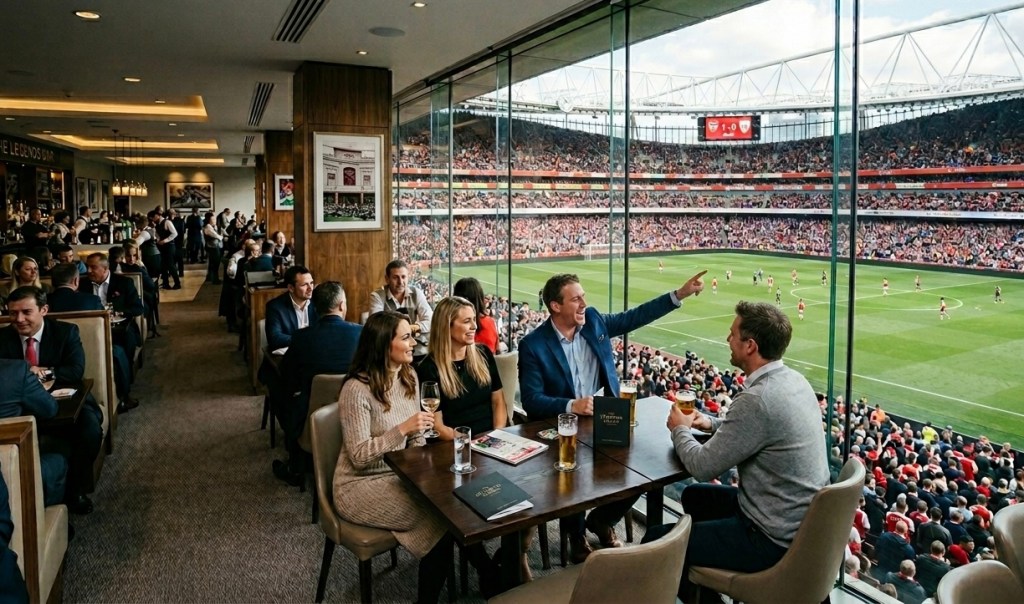
Football has always been about more than ninety minutes. But in 2026, the business of the fan experience has been transformed into one of the most competitive and lucrative frontiers in global sport. More and more we’re seeing clubs around the world investing heavily in turning supporters into year-round revenue streams. But how are they doing it and what does it mean for fans?
From fans to Customers?
For most of football’s history, supporters were arguably taken for granted. They showed up, they bought a pie, they went home. That attitude has changed dramatically. Around 300 sports stadiums worldwide are currently being renovated to attract a new wave of fans, according to a Deloitte analysis of sports infrastructure developments.
The driving force behind much of this investment is simple: clubs have realised that matchday revenue, when properly engineered, can be far more lucrative than a standard ticket price suggests.
The rise of football hospitality
The most visible expression of this shift is the explosion of hospitality packages at football grounds. What was once a corporate box with a buffet has evolved into a sophisticated, tiered product range designed to extract maximum value from high-spending fans.
Premium fans expect more than a sea, they are looking for a curated experience. This can range from private seating, skyboxes and VIP lounges. Meanwhile, elevated food and beverage options can vary from a selection of small plates through to sit-down 3 course meals.
The numbers back up the demand. For sporting events that include premium hospitality, fans are prepared to pay a higher price. However the bar for what counts as premium is rising fast. A decade ago, great seats, easy access, and nice food and drink were enough. Today the expectation is for chef partnerships, live entertainment, athlete appearances, and experiences deeply rooted in the culture of the host city.
Sponsoring almost every surface?
Beyond hospitality, clubs have become extraordinarily sophisticated at converting every inch of the matchday environment into commercial inventory. There is now a marketplace for nearly every aspect of the matchday and club ecosystem, from training ground naming rights to who sponsors the fourth official’s board.
Stadium naming rights have also filtered down the football pyramid. Brentford FC, despite a smaller fanbase, signed a huge deal with Gtech for naming and partnership rights, demonstrating that premium commercial thinking is no longer the exclusive territory of the game’s elite clubs.
Are fans being priced out?
There is an uncomfortable question running beneath all of this commercial innovation: as the premium experience becomes more elaborate and more expensive, is football pricing out the ordinary fan?
The Premier League has already acknowledged one dimension of this tension, with clubs withdrawing gambling sponsors from the front of matchday shirts from the 2026/27 season—a recognition that commercial decisions carry reputational consequences with supporters.
The global sports market continues to hold astronomic value, much of football’s growth is being driven by premium and corporate spending rather than the grassroots fan. For clubs, the commercial logic is clear. For supporters priced out of the game they grew up watching, the picture is considerably more complicated.
 The Match Suite
Leave a comment